Client
Meta
Role
Creative Director
Type
Brand Strategy
I've spent the better part of three years creating content for Meta's AI products. The most important thing I've learned: AI-generated content is, almost without exception, boring. Turns out, an AI image is only as interesting as the real-world thing it's helping someone create.

Everybody Hates Slop
I've worked with Meta since they first launched Meta AI in April 2024, touching everything from its introduction as a chatbot in Instagram and WhatsApp, to the launch of multi-modal AI in the Ray-Ban Meta and Oakley Meta smart glasses. I've built content around just about every consumer use case for AI — and the most important lesson I've taken is this: audiences can tell when content is AI-generated, and they don't like it. How could Meta educate people on what's possible with its tools without filling their feeds with slop?
Make the Artificial Real
The key was a surprisingly simple shift in perspective: instead of showing people what AI could create, show them what AI could help people create. Put down the image generators, take a step back from the metaverse, and tell compelling stories about how AI leads to tangible, real-world impact.
Use AI to Enhance Creativity, Not Exploit it.
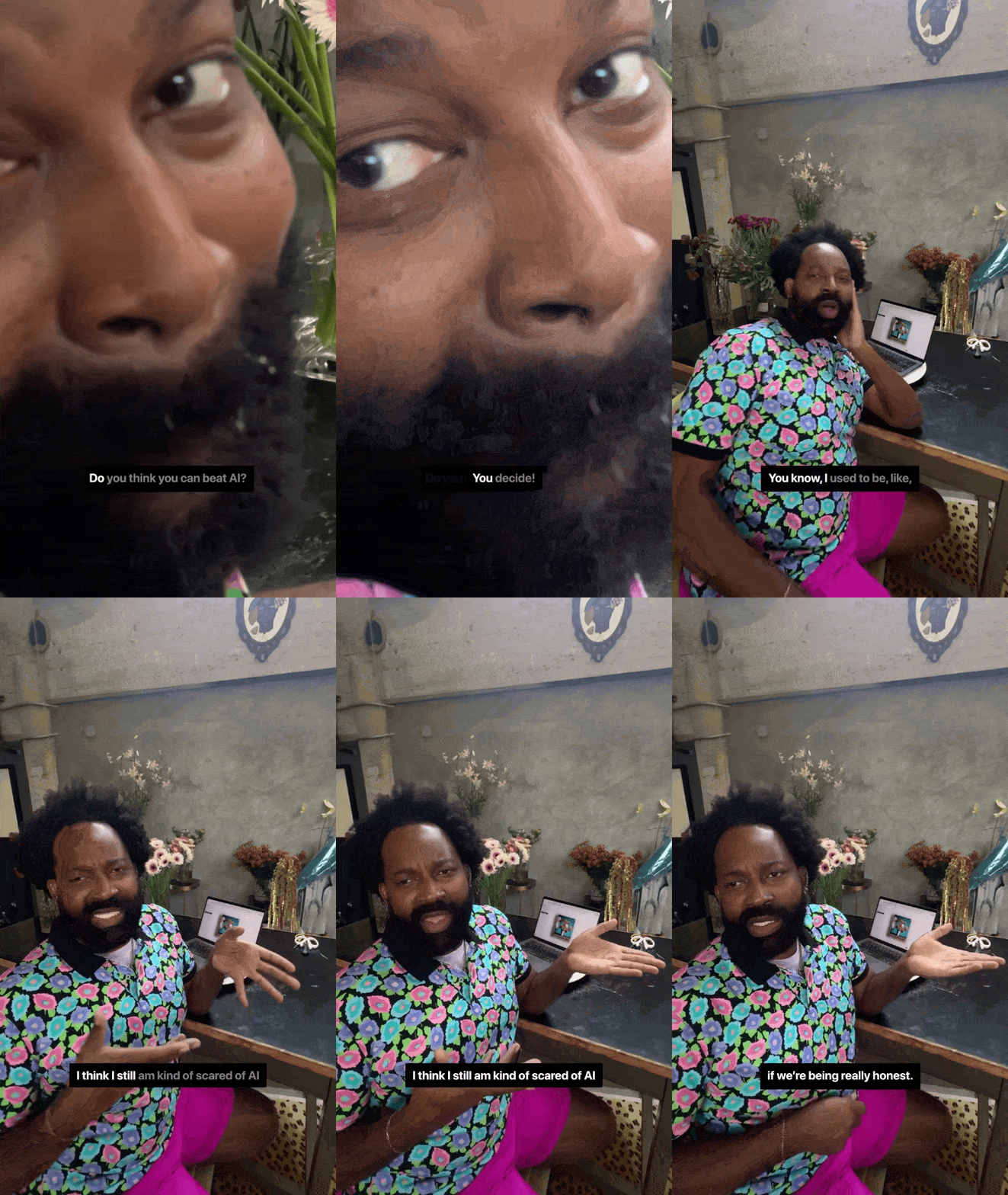
We partnered with content creators to tell stories about how AI could play a meaningful role in their creative process — and help them make more of the content their audiences actually follow them for. How could Meta AI help a floral designer develop his latest arrangement? Help a costume designer create a new look? Help a hair artist design a look for the Met Gala? We answered those questions with real content, featuring real people, doing real work. The result was a series that resonated with audiences and positioned Meta AI not as a gimmick, but as a genuine creative partner.
Gallery